Cafe Pest Control Sydney – Food-Safe Programs That Keep You Inspection-Ready
Running a café in Sydney? On Call Pest Control provides commercial pest control programs built for cafés and coffee shops – targeting the German cockroaches, rats, mice and ants that cafés attract, treating after you close so you never lose trade, and leaving the service reports your council inspector expects to see. Free site assessment and fixed monthly pricing. Call 0426 511 911.
How often
Most Sydney cafés need a professional pest service monthly; a small coffee-only kiosk may suit every 6–8 weeks. Activity, complaints or a failed inspection call for an immediate visit.
The rule
Under Food Standards Code 3.2.2, clause 24, every NSW food business must take all practicable measures to keep pests out and to eradicate and prevent pest harbourage.
What you get from us
A service report after every visit, a bait-station site map, product labels and safety data sheets, technician licence and insurance certificate – kept in an on-site pest folder.
When we treat
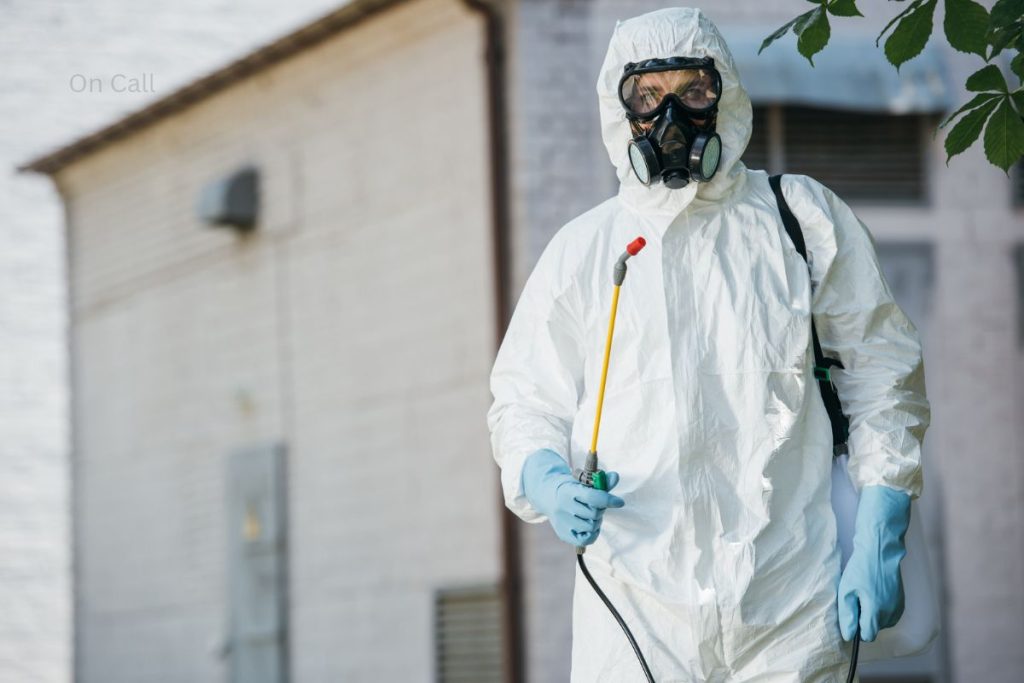
After close, typically mid to late afternoon. You reopen as normal the next morning.
Book a free site assessment
Why Cafés Are a Magnet for Pests
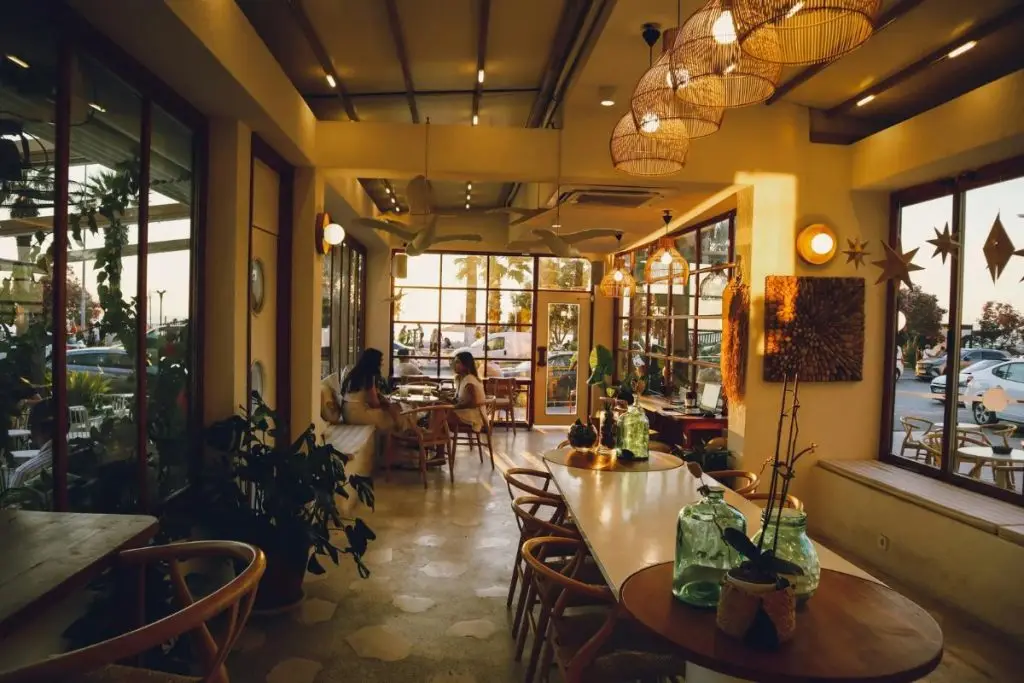
A café packs warmth, water, sugar, milk and constant deliveries into a few square metres of back-of-house. That is exactly what the German cockroach – the pest most likely to cost a café its reputation – needs to thrive. These are the café-specific sources we find again and again across Sydney:
The espresso machine
Your coffee machine is warm 18 hours a day, steams constantly and collects milk residue, sugar and coffee grounds in the drip tray, knock box and the cavity behind the group heads. For German cockroaches it is close to perfect harbourage, and it is one of the first places we inspect. Grinders, the bench underneath and the wall cavity behind the machine where the water line comes through follow close behind.
Fridges, cake cabinets and dishwashers
Under-bench milk fridges, display cabinets and glass-washers all have warm motor compartments that are rarely cleaned. Cockroaches live in the insulation and around the motor, coming out at night to feed. Dishwashers and sinks add the moisture.
Daily deliveries
Milk crates, bread trays, pastry boxes and cardboard cartons arrive every morning from warehouses that may have their own pest problems. Cardboard is a favourite cockroach egg-laying site. Storing deliveries in their original boxes in the dry store is one of the most common ways cockroaches are carried in.
Laneway bins and shared walls
Most Sydney cafés sit in a shopping strip, arcade or food court, sharing walls, roof spaces, drains and a laneway bin area with other food businesses. Rats and cockroaches move between tenancies, which is why a café that is kept spotless can still have activity – and why treating only what you can see doesn’t work.
Outdoor seating and open doors
Footpath tables, open bi-fold doors and dropped crumbs bring ants, flies, birds and, after dark, rodents right up to your entry points.
Second-hand equipment and fit-outs
Buying an existing café, or fitting out with second-hand coffee machines, fridges and benches, is a common way to inherit an established cockroach population. A pre-opening inspection and treatment is far cheaper than discovering the problem after your first council visit.
Pest Control and the Law: What NSW Requires of Your Café
Every café in NSW must comply with the Food Standards Code. The pest rules sit in Standard 3.2.2, clause 24, and council environmental health officers (EHOs) check them at every inspection.
| Clause 24 requires you to… | What it means in a café |
|---|---|
| Not permit live animals in areas where food is handled (other than seafood or fish) | No pets behind the counter or in the kitchen. Assistance animals are allowed in customer areas. |
| Take all practicable measures to prevent pests entering the premises | Door seals and strip curtains, flyscreens, sealed gaps around pipes and cables, covered bins, no gaps under rear doors. |
| Take all practicable measures to eradicate and prevent the harbourage of pests | Regular professional pest control, cleaning under and behind equipment, no clutter or stored cardboard, prompt treatment when activity is found. |
The law doesn’t specify a set number of visits, but inspectors look for evidence of pest activity (droppings, egg cases, live or dead insects, gnaw marks) and evidence of a working pest control program. In practice, a documented professional service is the clearest way to show you are taking “all practicable measures”. Pest-related breaches can lead to improvement notices, penalty notices, closure orders in serious cases, and publication on the NSW Food Authority’s public Name and Shame register – which is often the first thing a journalist or customer finds.
Source: NSW Food Authority – Food Standards Code 3.2.2 and the food premises assessment report. Many councils also publish inspection results under the Scores on Doors program, where pest findings affect your star rating.
What Our Café Pest Control Program Includes
- Free site assessment– we inspect front of house, bar, kitchen, dry store, cool room, bin area and roof/subfloor access, then quote a fixed program price.
- German cockroach control– professional gel baits and insect growth regulators placed inside equipment voids, hinges and cracks, never sprayed over food or prep surfaces.
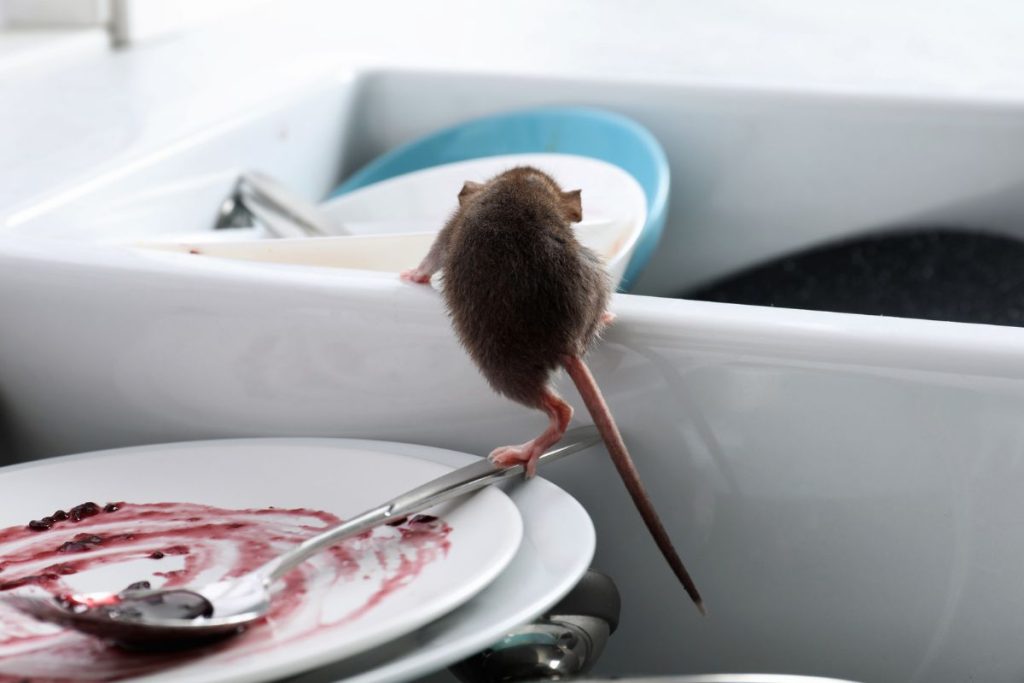
- Rodent monitoring– lockable, tamper-resistant bait stations outside and, where appropriate, non-toxic monitoring or traps inside, checked and logged every visit.
- Ant, spider and flying insect advice– perimeter treatments where needed, plus practical exclusion recommendations for doors, flyscreens and outdoor seating.
- Proofing recommendations– a written list of the gaps, seals and structural issues that let pests in, so you or your landlord can fix them.
- Service report after every visit– what we found, what we treated, products used, and any corrective actions for your team.
- On-site pest folder– bait-station map, reports, product labels and safety data sheets, technician licence and certificate of currency, ready for the EHO.
- Call-backs between visits– if your staff see activity between scheduled services, we come back.
How Often Should a Café Have Pest Control?
| Type of café | Our recommended service frequency |
|---|---|
| Full-menu café with kitchen (breakfast, lunch, hot food) | Monthly |
| Café in a shopping centre, arcade or food court | Monthly (or as required by centre management) |
| Café with bakery or on-site pastry production | Monthly |
| Coffee-focused café with limited food prep | Every 6–8 weeks |
| Coffee kiosk or cart | Quarterly, plus call-outs if activity is seen |
| Any café after a pest sighting, complaint or failed inspection | Immediate treatment, then monthly |
Frequency also depends on your neighbours. A café sharing a laneway with restaurants and takeaways faces more pressure than a standalone shop, and we’ll tell you honestly if a lighter program will do the job.

Treatments Designed Around Café Hours
Most Sydney cafés open early and close by mid-afternoon, which makes after-close servicing simple. We arrive once your last customer has left, work while your team finishes the close, and are gone well before the next morning. Gel baits and monitoring stations have no odour and need no airing out, so you reopen as normal. Where a stronger treatment is needed, we tell you in advance what has to be covered or removed and when the area is safe again.
We also understand discretion. Unmarked vehicles are available on request, and we never treat in front of customers.
Café Pests We Treat
| Pest | Where we find it in cafés | Our approach |
|---|---|---|
| German cockroaches | Espresso machines, grinders, fridge and dishwasher motors, cake cabinets, hinges, POS and electrical boxes | Gel bait + insect growth regulator inside voids; follow-up until activity stops |
| American cockroaches | Drains, grease traps, laneways, subfloors | Drain and perimeter treatment, dusting of voids |
| Rats and mice | Bin areas, dry stores, roof spaces, shared walls | Lockable external stations, internal monitoring, proofing advice |
| Ants | Sugar stations, syrups, outdoor tables, wall cavities | Non-repellent colony baiting, perimeter treatment |
| Flies | Open doors, outdoor seating, bins | Exclusion and sanitation advice (flyscreens, strip curtains, bin management) |
| Wasps and bees | Awnings, outdoor seating, signage | Nest treatment and removal; bee relocation where possible |
Learn more about our German cockroach control, cockroach control, rodent control, ant control, wasp control and bee control.

Failed Inspection or Customer Complaint? Here’s What to Do
- Call us straight away on 0426 511 911.We prioritise food businesses with an inspection finding and aim to treat the same day.
- Don’t spray supermarket insecticide.It scatters cockroaches into new voids and can contaminate food-contact surfaces.
- Deep clean the affected area– pull out equipment where you can and clean underneath and behind it.
- Throw out any food that may be contaminatedand record what you discarded.
- Keep the paperwork.Our treatment report documents the corrective action for your EHO’s re-inspection.
- Move to a regular programso the problem doesn’t return.
Opening or Buying a Café? Start Pest-Free
Before you open, we inspect the site and any second-hand equipment, treat existing activity, install monitoring and set up your pest folder – so you start with documentation in place from day one. If you’re buying an existing café, a pre-purchase pest inspection can reveal an infestation the vendor hasn’t mentioned, and the cost of fixing it.
Daily Habits That Keep Pests Out of Your Café
- Empty and wash the knock box and drip tray at close, and wipe behind the group heads.
- Pull out the coffee machine and fridges for a clean underneath at least weekly.
- Unpack deliveries straight away and flatten cardboard for recycling – never store stock in delivery boxes.
- Keep sugar, syrups and pastries sealed overnight.
- Keep bins lidded, the bin area hosed and rubbish off the floor.
- Fit brush seals to the bottom of rear and laneway doors.
- Tell your pest technician about any sighting – don’t wait for the next scheduled visit.
Café Pest Control Across Sydney
We service cafés across Sydney Metro, from CBD laneways to suburban shopping strips – including Surry Hills, Marrickville, Enmore, Camperdown, Annandale, Haberfield, Burwood, Ultimo, Woolloomooloo, Parramatta and Liverpool. See all our commercial pest control services or browse service areas.
Why Sydney Cafés Choose On Call Pest Control
- Café-specific know-how– we know to look inside the coffee machine, not just under the sink.
- After-close servicing– no lost trade, no closures.
- Audit-ready paperworkafter every visit.
- Fixed monthly pricingafter a free site assessment, no lock-in surprises.
- Licensed and insuredtechnicians using APVMA-registered products.
- 0-star Google ratingfrom verified customers.
- Family-run Sydney business– you deal with the people who do the work.
Cafe Pest Control Sydney – Frequently Asked Questions
How much does pest control cost for a café in Sydney?
Café pest control in Sydney is usually priced as a fixed monthly or bi-monthly program based on the size of the café, how much food is prepared on site and current pest activity. On Call Pest Control provides a free site assessment and a fixed program price with no hidden extras. One-off treatments start from $89.
How often should a café have pest control in NSW?
Most Sydney cafés that prepare food on site should have a professional pest service monthly. Coffee-focused cafés with limited food preparation may suit every six to eight weeks, and small kiosks quarterly. Any café with a sighting, complaint or failed inspection needs immediate treatment.
Is pest control a legal requirement for cafés in NSW?
Food Standards Code 3.2.2, clause 24 requires every NSW food business to take all practicable measures to prevent pests entering and to eradicate and prevent pest harbourage. It does not set a visit frequency, but council inspectors look for evidence of an effective pest control program, and a documented professional service is the clearest way to show compliance.
Do I have to close my café for pest control?
No. Most café treatments use gel baits, insect growth regulators and monitoring stations, which have no odour and need no airing out. We treat after you close, and you reopen as normal the next morning. If a stronger treatment is ever needed, we tell you in advance what to cover or remove.
Why are there cockroaches in my coffee machine?
Espresso machines stay warm all day, produce steam and collect milk, sugar and coffee residue in the drip tray, knock box and cavity behind the group heads. That makes them ideal harbourage for German cockroaches. Gel baits placed in and around the machine, combined with nightly cleaning of the drip tray and knock box, eliminate them.
What paperwork do I get for council inspections?
After every visit you receive a service report listing findings, treatments, products used and recommended corrective actions. Your on-site pest folder also holds a bait-station map, product labels and safety data sheets, our technician licence details and our insurance certificate of currency.
Are pest treatments safe around food and customers?
Yes. We use APVMA-registered products applied by licensed technicians, place gels inside equipment voids and cracks rather than spraying, never treat food-contact surfaces, and service after close. Rodent bait stations are lockable and tamper-resistant.
What should I do if a council inspector finds pests in my café?
Call a licensed pest controller the same day, avoid supermarket sprays, deep clean the affected area, discard any contaminated food and keep a record of what you did. On Call Pest Control prioritises food businesses with inspection findings and provides a treatment report you can show at re-inspection.
Do you service cafés in shopping centres and food courts?
Yes. We work with centre management requirements, including after-hours access, site inductions and reporting, and coordinate treatment of shared areas where pests are moving between tenancies.
Protect your café – book a free site assessment
Food-safe pest control programs for Sydney cafés · after-close service · audit-ready reports. Call 0426 511 911 or email info@oncallpestcontrol.com.au.
Contact Information
Please use the following details to contact us.
- 0426 511 911
- info@oncallpestcontrol.com.au
- 215-219 George Street Liverpool NSW 2170 Australia
Contact Us
Please fill out the following form to contact us. One of our team members will get back to you as soon as possible.